


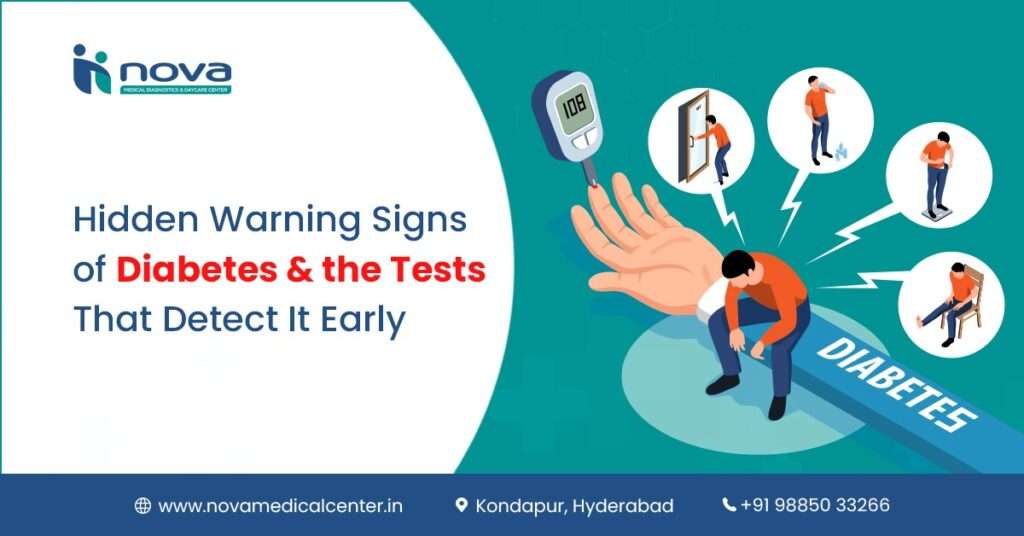
Diabetes Often Starts Silently: Early Symptoms and the Tests That Detect It Early
Diabetes rarely begins with dramatic warning signs. In most individuals, it develops gradually, quietly affecting metabolism, blood vessels, nerves, and vital organs long before obvious symptoms appear. By the time visible complications arise, significant internal damage may already have occurred. That is why early detection, accurate screening, and timely medical evaluation are critical in preventing long-term complications.
We emphasize the importance of Early diabetes diagnosis in Kondapur through systematic screening, symptom evaluation, and preventive consultations. Silent progression does not mean harmless progression. Identifying diabetes at its earliest stage enables better control, fewer complications, and improved long-term health outcomes.
Subtle Early Symptoms That Should Never Be Ignored
Diabetes does not always begin with severe symptoms. Instead, it manifests through mild, often overlooked changes. Recognizing these subtle signs allows intervention before complications develop.
- Increased Thirst (Polydipsia): Persistent dryness of mouth and frequent need to drink water may signal rising blood glucose levels.
- Frequent Urination (Polyuria): Excess glucose in the bloodstream forces the kidneys to work harder, resulting in increased urination, particularly at night.
- Unexplained Fatigue: Cells deprived of proper glucose utilization lead to low energy levels despite adequate rest.
- Blurred Vision: Fluctuating blood sugar levels affect the eye lens, causing temporary visual disturbances.
- Slow Healing Wounds: High blood glucose impairs circulation and immune response, delaying wound repair.
- Recurrent Infections: Fungal infections, urinary tract infections, and skin infections may occur more frequently.
- Unintended Weight Loss: In early type 1 diabetes and advanced type 2 diabetes, the body may break down muscle and fat for energy.
These signs are often dismissed as stress, aging, or lifestyle-related fatigue. However, prompt consultation with a Primary care doctor in Kondapur ensures these symptoms are evaluated comprehensively rather than ignored.
Risk Factors That Increase the Likelihood of Silent Diabetes
Even in the absence of symptoms, certain individuals remain at significantly higher risk. Proactive screening becomes essential for:
- Individuals with a family history of diabetes
- People with sedentary lifestyles
- Those who are overweight or obese
- Patients with high blood pressure or high cholesterol
- Women with a history of gestational diabetes
- Individuals above 35 years of age
Metabolic imbalance can remain hidden for years. Identifying risk factors and undergoing routine screening strengthens preventive healthcare and reduces future medical burden.
Diagnostic Tests That Detect Diabetes Early
Modern medical diagnostics allow accurate detection of diabetes even before symptoms appear. Early testing plays a decisive role in long-term health management.
- Fasting Blood Sugar Test Measures blood glucose after an 8-hour fast. Elevated levels may indicate prediabetes or diabetes.
- HbA1c Test Reflects average blood glucose levels over the past 2–3 months. It provides a comprehensive view of long-term glucose control.
- Random Blood Sugar Test Conducted at any time of the day, particularly useful when symptoms are present.
- Oral Glucose Tolerance Test (OGTT) Assesses how efficiently the body processes glucose after consuming a sugar solution.
- Preventive Health Screening Panels Routine blood investigations can detect early metabolic disturbances before symptoms escalate. Timely consultation with the and Best general physician in Kondapur ensures these tests are interpreted correctly and followed by structured management planning.
Why Early Detection Prevents Severe Complications
Uncontrolled diabetes gradually damages major organ systems. Early identification significantly reduces the risk of:
- Cardiovascular Disease: Diabetes accelerates arterial plaque formation.
- Kidney Damage (Diabetic Nephropathy): Persistent high glucose harms filtration units.
- Nerve Damage (Neuropathy): Tingling, numbness, and pain in extremities.
- Eye Damage (Retinopathy): Risk of vision impairment and blindness.
- Foot Ulcers and Infections: Poor circulation leads to delayed healing.
When detected early, lifestyle changes combined with medical management prevent progression to these serious complications. Early diabetes diagnosis in Kondapur focuses not only on blood sugar numbers but on long-term protection of vital organs.
Structured Management After Early Diagnosis
Early diagnosis allows for strategic intervention rather than emergency management. A structured approach includes:
- Personalized Diet Planning: Controlled carbohydrate intake, balanced nutrition, and portion regulation.
- Regular Physical Activity: At least 150 minutes of moderate exercise per week.
- Weight Optimization: Even modest weight reduction improves insulin sensitivity.
- Medication When Necessary: Oral hypoglycemics or insulin therapy tailored to patient needs.
- Routine Monitoring: Scheduled HbA1c testing and glucose monitoring.
- Blood Pressure and Lipid Control: Integrated cardiovascular risk management.
We implement comprehensive strategies through collaboration with a Primary care doctor in Kondapur who evaluates overall metabolic health rather than focusing solely on glucose readings.
Prediabetes: The Reversible Stage
Prediabetes represents a critical window where blood sugar levels are elevated but not yet within diabetic range. This stage is often completely silent. Without intervention, many individuals progress to type 2 diabetes within 5 years.
With Early diabetes diagnosis in Kondapur, prediabetes can often be reversed through:
- Weight reduction
- Structured dietary modifications
- Increased physical activity
- Stress management
- Regular medical monitoring
Identifying prediabetes transforms future risk into preventive opportunity.
The Importance of Routine Screening
Many individuals seek medical care only when symptoms become severe. However, silent metabolic changes demand proactive healthcare. Annual or biannual screening is recommended for at-risk populations.
A consultation with a Primary care doctor in Kondapur includes:
- Comprehensive medical history assessment
- Physical examination
- Risk profiling
- Laboratory investigations
- Preventive counselling
This proactive approach prevents delayed diagnosis and minimizes long-term health expenditure.
Lifestyle Habits That Support Early Control
Medical management alone is not sufficient. Sustainable control requires consistent lifestyle discipline:
- Avoid refined sugars and processed foods
- Increase fiber intake
- Maintain consistent meal timings
- Stay hydrated
- Prioritize quality sleep
- Reduce stress through mindfulness practices
Structured follow-up with andBest general physician in Kondapur ensures accountability, regular monitoring, and timely adjustments to treatment plans.
When to Seek Immediate Medical Attention
While diabetes often progresses silently, certain warning signs demand urgent evaluation:
- Sudden extreme thirst
- Rapid breathing
- Severe fatigue
- Fruity-smelling breath
- Confusion or drowsiness
These may indicate dangerously high blood sugar levels requiring immediate medical care.
Comprehensive Primary Care Makes the Difference
Early intervention reduces hospital admissions, prevents organ damage, and improves life expectancy. A coordinated primary care approach ensures:
- Continuous monitoring
- Preventive health strategies
- Integrated chronic disease management
- Patient education
- Long-term follow-up
Through structured screening programs and individualized care, Early diabetes diagnosis in Kondapur becomes not just a medical service but a preventive health movement.
Silent diseases demand vigilant healthcare. Diabetes may begin quietly, but with timely testing, expert consultation, and disciplined management, its progression can be controlled effectively. Proactive screening, risk assessment, and comprehensive evaluation through a Primary care doctor in Kondapur ensure early detection and sustained metabolic health.
For individuals seeking systematic evaluation, structured preventive care, and comprehensive management, professional medical consultation remains the most reliable step toward long-term wellness.
